The bulería, alegría and soleá are counted “basically” in 12.
1, 2, 3, 4, 5, 6, 7, 8, 9, 10, 11, 12
But instead of counting 11, 12, you count 1, 2. (Because it’s hard to say “eleven” and “twelve” fast)
So it’s usually counted like this:
1, 2, 3, 4, 5, 6, 7, 8, 9, 10, 1, 2
Bulería typically starts count on the 12. Alegría and soleá start on the 1.
Certain beats are (usually) extra accented – 3 & 10. Also usually accented – 6 or 7, 8, 12.

Disclaimer
Like most other forms of music, I am still very much a student of flamenco. If you want first-hand knowledge of flamenco, you should find a good teacher. Also, you should be careful with your hands.
Playing flamenco is a lot of work and you should warm up slowly, stretch, take breaks, practice slowly and be patient.
Practice slowly
When you are first learning this stuff it helps to practice very slowly.
To Learn Faster, Practice Slower
Here’s some main ideas about practicing slowly, especially in relation to practicing compás and groove in general:
- Practice Slowly
- Use a click/beat/metronome/backing track
- Stay Relaxed when you practice
- Sometimes practice counting out loud
I would suggest setting the metronome on 60 and do one finger movement per beat.
This is very slow, but if you want to learn it, it is highly suggested that you practice in this manner at first. It is important to focus on correct technique at first.
Slowly increase the metronome speed. When you are starting out learning flamenco, you should get a teacher or be born in a family that knows flamenco. Learning online is not a good way to learn but it’s a start if you are curious.
Wynton Marsalis’ 12 (very good, imho) practice tips!

Table of Contents
Relax
If you want to be able to play flamenco, your hands need to be relaxed, or else you’ll never be able to play and you’ll hurt your hands.
Remember to stay relaxed.
If these exercises are too difficult or your hands bother you, either do them slower, more gently and more relaxed, and/or stretch your hands, take a break, and maybe physically warm them up.
Warm Up
Before practicing faster compás, I always like to make sure my hands are warmed up. You could do a warm up by practicing basic (rumba-style) strumming. In other words just basic up and down strumming. I also included a link to a more comprehensive warmup that includes other Flamenco techniques like rasgueados and azupuas.
Warm Up #1
- With the metronome set a very slow speed (like 35-60 bpm) for a few minutes
- Strumming up and down, rumba flamenca style (by gently spinning/twisting your hand
- Doing a “full hand rasgueado” (that’s a name I sort of made up)
- Planting my thumb by the bass E string
- Then flicking out my 4 fingers (at the same time) across the string
- Then bringing all 4 fingers back
- I actually do all the versions of rasgueados outlined below with the same click, after doing the “full hand” rasgueado
Warm Up Routine (~10 minutes)
Please check out my Flamenco Guitar Warmup (Right/Strum Hand) for a more in depth warm up!
Notation
Right hand fingers
- p = thumb
- i = index finger
- m = middle finger
- a = ring finger
- x = pinky (or c)
Compás
Compás translates into rhythm, more or less. But it also means a lot more. Compás can also be used to describe the different types of beats or palos used in flamenco. This lesson starts to talk about a few palos. There are palos you can count in 4, 3, or 12. In this lesson we talk about a few palos in 12.
If you’re interested in rumba flamenca, please check out .Rumba Flamenca (How to Play a Basic Strumming Pattern)
Some palos in 12
Counting the bulería, alegría and soleá
There’s many types of rhythms in Flamenco. The bulería, alegría and soleá are 3 of the most common compás counted in 12.
The bulería, alegría and soleá are counted “basically” the same:
1, 2, 3, 4, 5, 6, 7, 8, 9, 10, 11, 12
Instead of the counting 11, 12, you count 1, 2. (Because it’s hard to say “eleven” and “twelve” fast. So it’s usually counted like this:
1, 2, 3, 4, 5, 6, 7, 8, 9, 10, 1, 2
Practice counting in 12
- Get a metronome
- Set it to about 90
- If you can set it to accent certain beats, set it so it will be counting in 3
- Count with the metronome like this: 1, 2, 3, 4, 5, 6, 7, 8, 9, 10, 1, 2
Accents – VERY IMPORTANT
The accents are part of what makes flamenco flamenco!
Note: There are more then one set of accents, but to start, and in general, these are the main accents.
Basic accents of the bulería, alegría and soleá.
1, 2, 3, 4, 5, 6, 7, 8, 9, 10, 11, 12
The accents are 3, (6 or 7), 8, 10, and 12.
- The accents are italicized. They are on the 3, 7, 8, 10, and 12.
- In alegrías, instead of the accent on the 7, it’s on the 6. This is sometimes true for bulerías, too.
- Bulerías usually start on the 12. Alegrías on the 1.

Practice counting in 12 with accents
- Get a metronome (or Dr. Compas app)
- Set it to about 70
- If you can set it to accent certain beats, set it so it will be counting in 3
- Count with the metronome like this, this time accent the 3, 7, 8, 10 and 12 by saying them louder:1, 2, 3, 4, 5, 6, 7, 8, 9, 10, 1, 2
- The accent of the metronome should be on the 3, the 6, the 9, and 12. It’s not a perfect way to keep track, because some of the accents are on different beats but it will help you make sure you don’t get lost. The accents on the 3 and the 12 of the palo should line up with the accents of the metronome.
Applying this to the guitar
Description
To start off you are going to practice just with your right hand. The left hand should mute the strings. Use the one finger strum from the Basic Rasgueados for Flamenco Guitar (Learning the Forms).
Practice counting in 12 with the guitar
- Get a metronome
- Set it to about 90
- If you can set it to accent certain beats, set it so it will be counting in 3
- Count with the metronome like this while you strum or do the one finger strum:1, 2, 3, 4, 5, 6, 7, 8, 9, 10, 1, 2
- Just focus on the right hand – mute the strings with the left hand
IMPORTANT!
You have to play right on the beat!!
You need to lock in tight, like the guitar in James Brown. Every time you play a little a bit out of time you owe James Brown fifty bucks, ya know?
Just play real slow and focus on really locking in the time.
The guitar is the bass, the drums and the guitar in a lot of flamenco, so this is really a big deal and if you want to play flamenco focus on having great time!
Practice counting in 12 with accents with guitar
- Get a metronome
- Set it to about 70
- If you can set it to accent certain beats, set it so it will be counting in 3
- Count with the metronome like this, this time accent the 3, 7, 8, 10 and 12 by saying them louder and play the guitar with accents:1, 2, 3, 4, 5, 6, 7, 8, 9, 10, 1, 2
- Just focus on the right hand – mute the strings with the left hand
Practice this for at least a week before you go on!
Once you feel the beat a little better, then we’ll start looking at chords.
There is really no rush. It’ll take at least a few months or a year before you’ll feel kind of comfortable with this. It’s like when you were a baby and you were learning to talk.
Practice doing this with the metronome between 70 and 200. All times are important because of the range of speeds used. For example, the soleá could be between 70 and 130 beats per minute, while the bulería might be between 160 and 250.
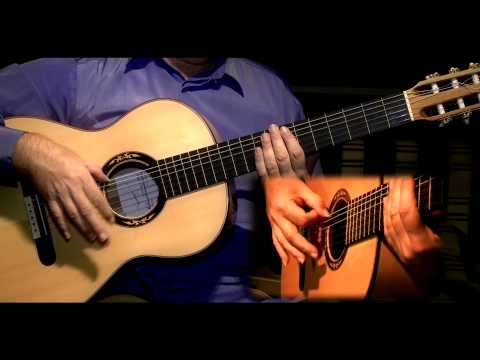
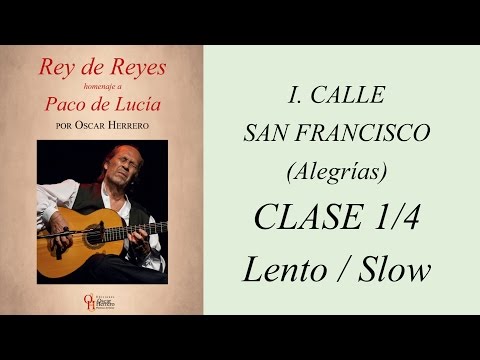
Learning More about Alegrías!
Oscar Herrero offers some great ways to learn a lot flamenco guitar. I definitely recommend checking out this video! The song, Calle San Francisco, is very similar to the Tus Ojillos Negros (see below) that Camarón and Tomatito play.
| Count | 1 | 2 | 3 | 4 | 5 | 6 | 7 | 8 | 9 | 10 | 11 | 12 |
| C (I) | G7 (V7) | |||||||||||
| G7 (V7) | C (I) | |||||||||||
| C (I) | C7 (I7) | F (IV) | ||||||||||
| F (IV) | C (I) | G7 (V7) | C (I) |
The two main ways to play an Alegría are with C (I), F (IV), and G (V) chords or E (I), A (IV), B (V) chords. The (I) is the one chord, or the root chord. The (IV) is the four chord or sub-dominant chord. And the (V) is the five chord, or dominant chord.
(Daily) Practice Makes Progress!
Hope this helps. Again, I’m not an expert, but it’s fun to share what I have learned (and what I am still learning).
All the best and peace and love!
If you have any questions, comments, suggestions, ideas, please leave a comment and/or send me a message!
- Chill Flamenco Guitar Warmup (Right/Strum Hand)
- Basic Rasgueados for Flamenco Guitar (Learning the Forms)
- Rumba Flamenca (How to Play a Basic Strumming Pattern)
Listen, Practice and Learn from the Greats!
Here’s some beautiful music from great musicians that should be good ways to practice compas in bulerías, alegrías and soleá.
Alegrías
Alegrías are probably one of my favorite palos – I love them all but I do love the ones in the major keys like alegrías and Colombianas.
Bulerías are probably much more classic and more commonly played and in a lot of way have more “flexibilty”, but I love alegrias!
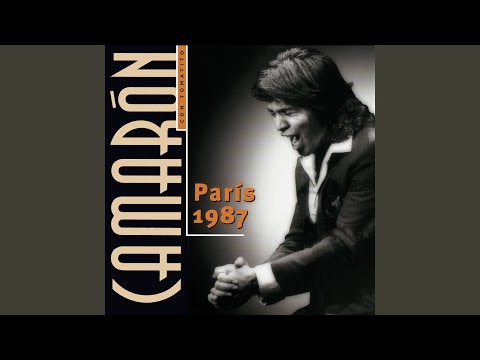
Camarón and Tomatito!
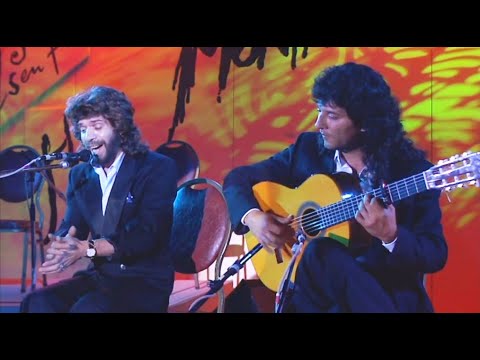


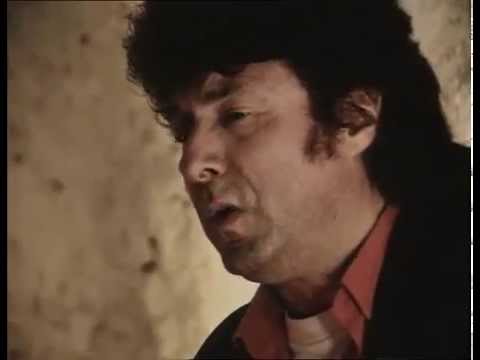
Enrique Morente and Juan & Pepe Habichuela!
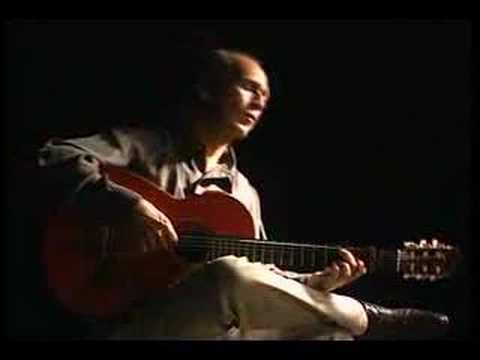
PACO!!!
The amazing singer, Estrella Morente!

A great study by Paco Peña!
Bulerías
Niño Josele and Jerry Gonzales with El Piraña

Soleares
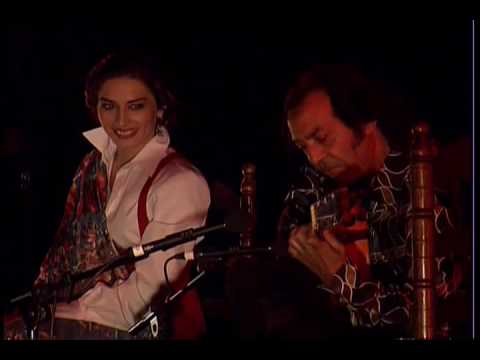
Estrella Morente with Pepe Habichuela!

Great Resources Around the Web
Online lessons with Pepe Habichuela!