Play the roots (of the chords)
- Play the bass note for each chord.
- The number beside the note is the finger to use.
- 1 = index finger
- 2 = middle finger

Play the top note (guide note)
- Play the top note for each chord.
- The number beside the note is the finger to use.
- 4 = ringer finger
- Notice how all the top notes are on the ‘B‘ string (2nd string)? And you’re playing all the notes with the same finger (4th finger)
- This is called a guide finger – it can help you switch between chords

Practice Shifting Between Chords
Note: These aren’t the actually changes to a F Jazz Blues.
These are exercise to practice shifting between the chords.
Practice Shifting with the Color/Guide Tones (2 voice/note chords)
Don’t worry about what a color tone is right now, but check out these interior notes and how they really really help give the chord flavor.
The reason to practice this is to see how the interior notes move between chords. And it will help you shift between chords in jazz a lot easier (both for these F blues changes and other tunes, too).
Make sure you pay attention to the fingerings!
They’ll be important when you start playing the chords with more voices/notes.

Practice Shifting between the Freddie Green Chords (3 voice/note chords)

Practice Shifting between the Full Chords(4 voice/note chords)

Play the F Jazz Blues Chords

F9 and D9 Chord Form
For the F9 chord, place the 2nd finger on the 8th fret.
For the D9 chord, place the 2nd finger on the 5th fret.
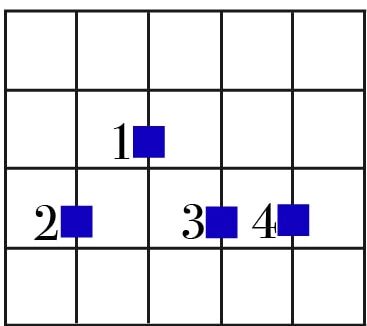
Use this chord form for the F9 & D9 chords.
Bb13 and C13 Chord Forms
For the Bb 13 chord, place the 1st finger on the 6th fret.
For the C9 chord, place the 1st finger on the 8th fret.

.
Use this chord form for the Bb13 & C13 chords
G minor 9th Chord Form
For the Gm9 chord, place the 2nd finger on the 10th fret.

Use this chord form for the G minor 9th chord.
Work on quarter note time with you right hand (left hand muted)
After you’ve familiarized yourself with the chord changes, try adding quarter note feel to the changes.
Practice Makes Progress!
Best wishes to everyone!
Check out a few other lessons/ideas about learning jazz blues. I especially love playing along with some of Oscar Peterson‘s renditions.
- Practicing Jazz Groove (Slow C Blues with Oscar & Count Basie)
- Practicing Jazz/Swing Groove (C Jam Blues)
Improv and Melodies
Learning to improv and learning melodies mean a lot, too. As much as playing melodies are important, I would suggest checking out really “simple” comping and quarter-note comping as a fundamental part of learning jazz guitar.
To learn more, please check out How to Play Jazz Guitar (25 Beginner Lessons).
Also, if you have any questions, ideas, comments – please contact me and/or leave a comment. Thanks and best wishes!
